Curriculum
Training Built on Real Systems.
Same controllers, same software, same wiring our graduates touch on the job. Every cohort closes by presenting final projects to the people who hire for these roles - so by graduation, the work is already on your resume.
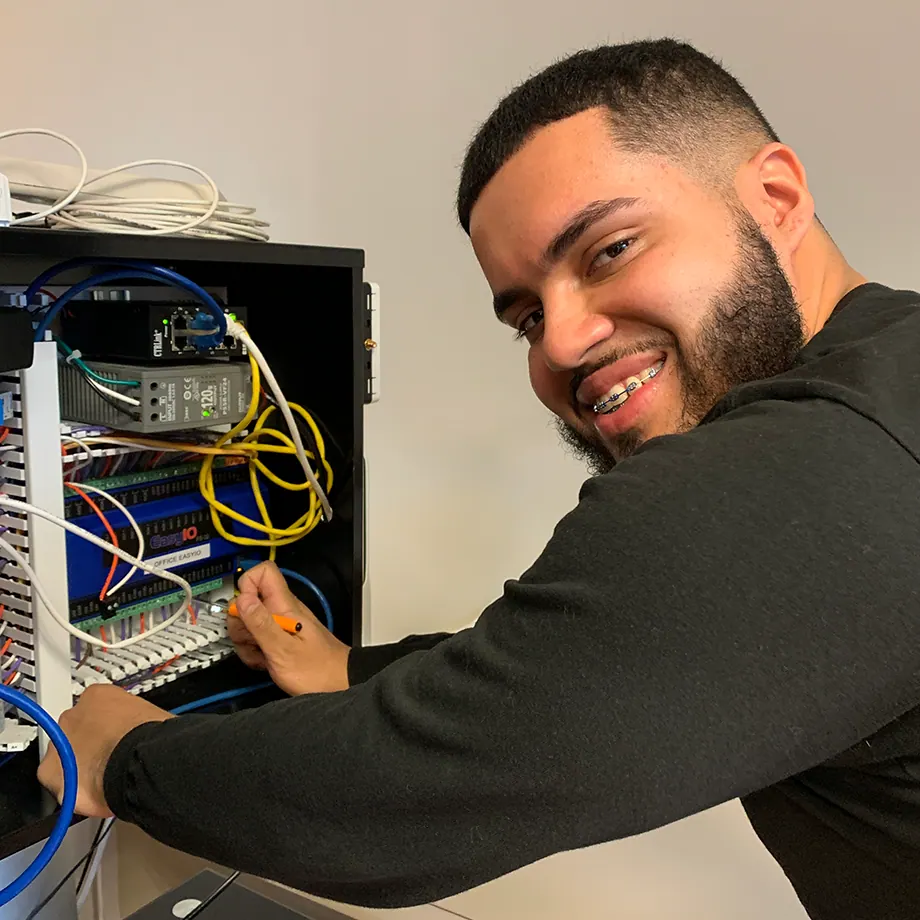
The Three Pillars
Developed with BELLEDS Technologies at MIT and Rose-Hulman Institute of Technology. Fourteen weeks. Two certifications plus Niagara N4 training. Real systems from day one.
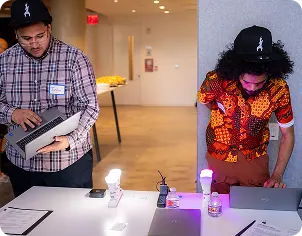
No Prior Experience Required
Day one starts at the fundamentals - electricity, HVAC principles, networking, and controls logic - so learners with no technical background keep pace from the first week.
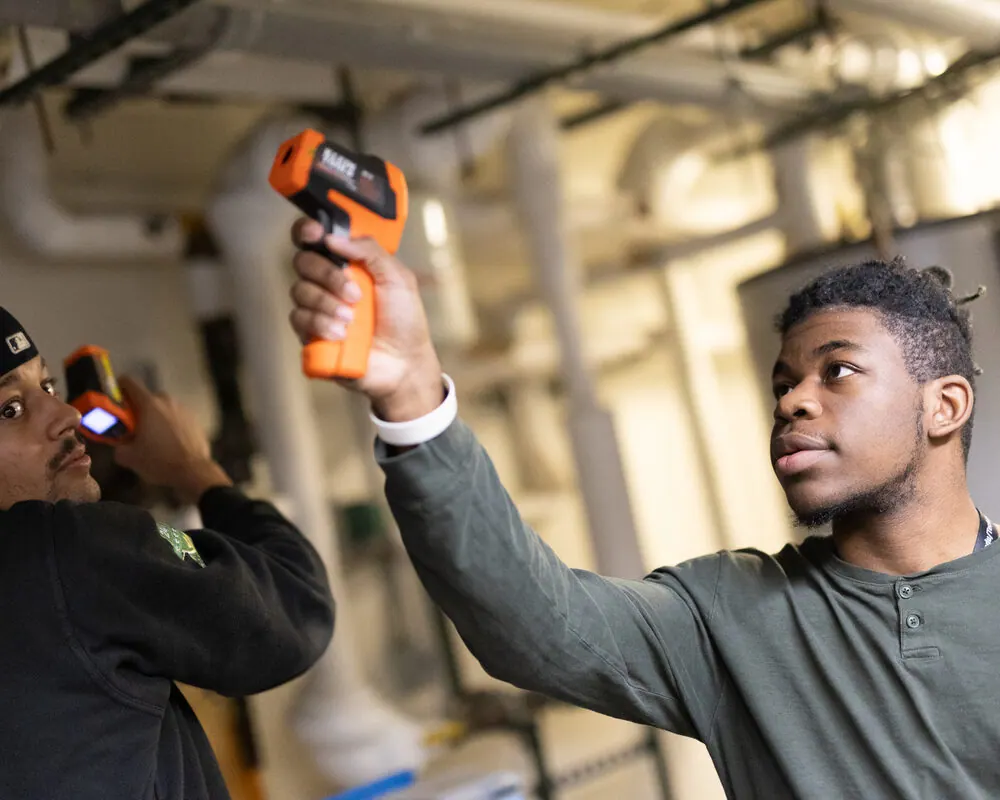
Hands-On with Real Equipment
Every module runs on production hardware: live controllers, sensors, dampers, and building management systems. Learners troubleshoot real faults, never simulations.
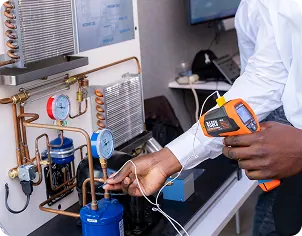
Safety and Documentation Focus
Alongside the technical work, learners drill the habits the job demands - safety protocols, clean documentation, and the communication that keeps a project on track.
Python & Lighting Controls
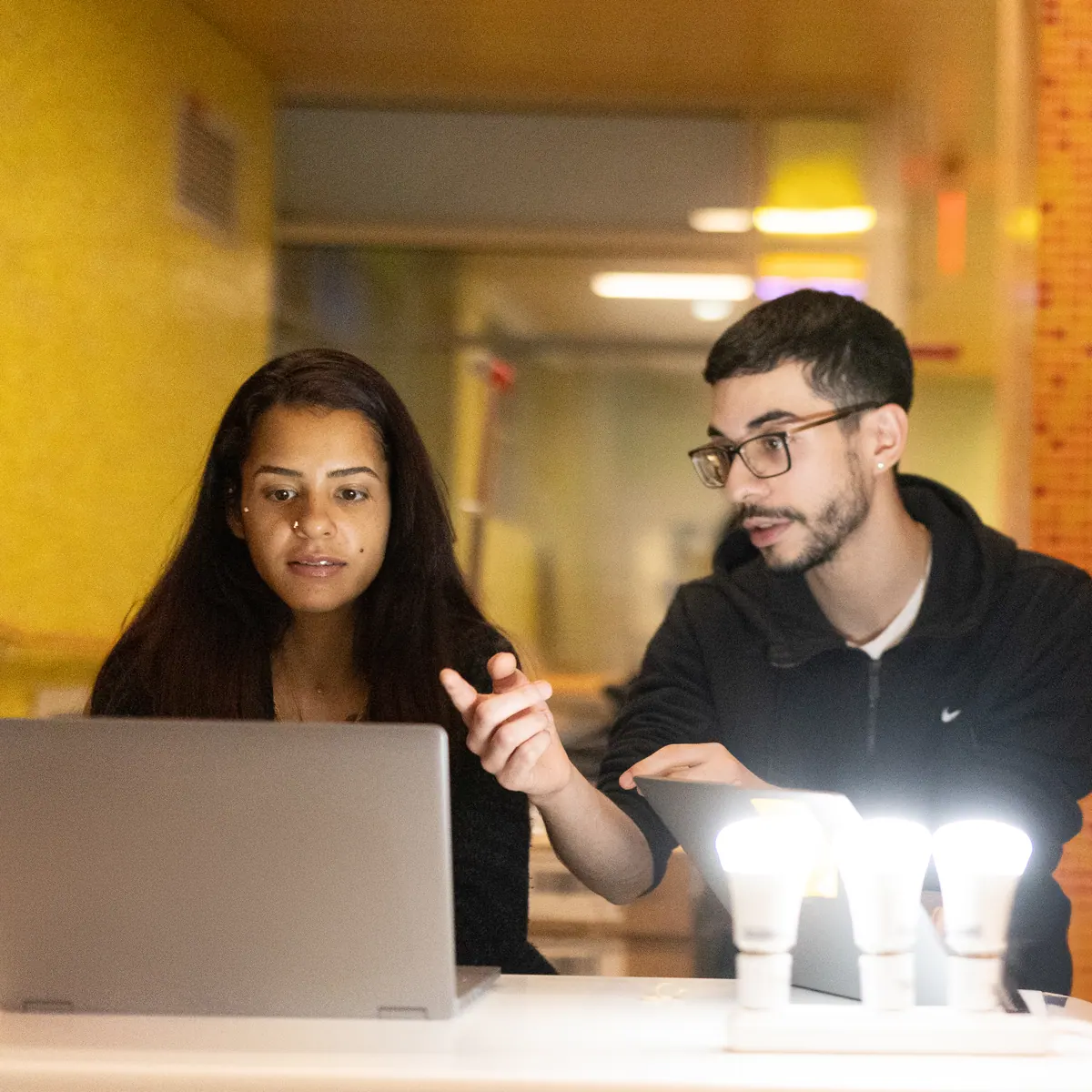
Learning Objectives
Assessments/Projects
- "Hello World" coding assignment
- Experiment with lighting control coding
- Innovation presentations
- Group Research Assignment: Lighting control strategies
- Daily Reports
- LCA certificate
- Light Show Final Unit Project
Skills
- Basic coding with Python in Visual Studio Code
- Presentation skills (ongoing throughout course)
- Use of tools: watt meter, heat meter, etc.
- Use of Qstation
- Groupwork skills
- Research skills
HVAC and EPA 608 Certification
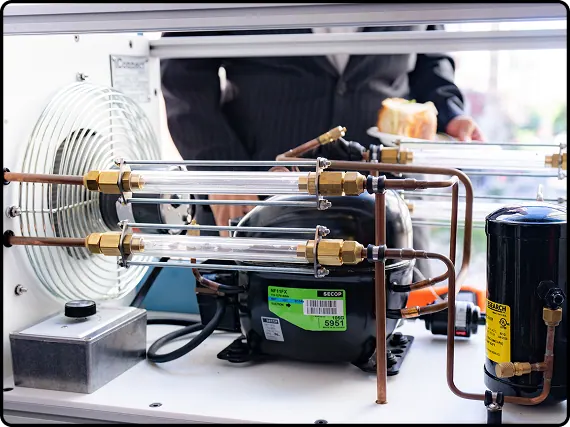
Learning Objectives
Assessments/Projects
- Professionalism practice: thank you emails to class visitors
- EPA 608 practice tests
- Refrigeration cycle video project
- Innovation presentations
- EPA 608 certification
Skills
- Test taking
- Digital literacy
- Use of heat detector gun
- Management of LinkedIn profile
- Troubleshooting issues in refrigeration cycle in more than one context
- Professional email writing
- Presentation skills (ongoing throughout course)
- Groupwork skills
- Research skills
Low voltage wiring & Niagara Workbench
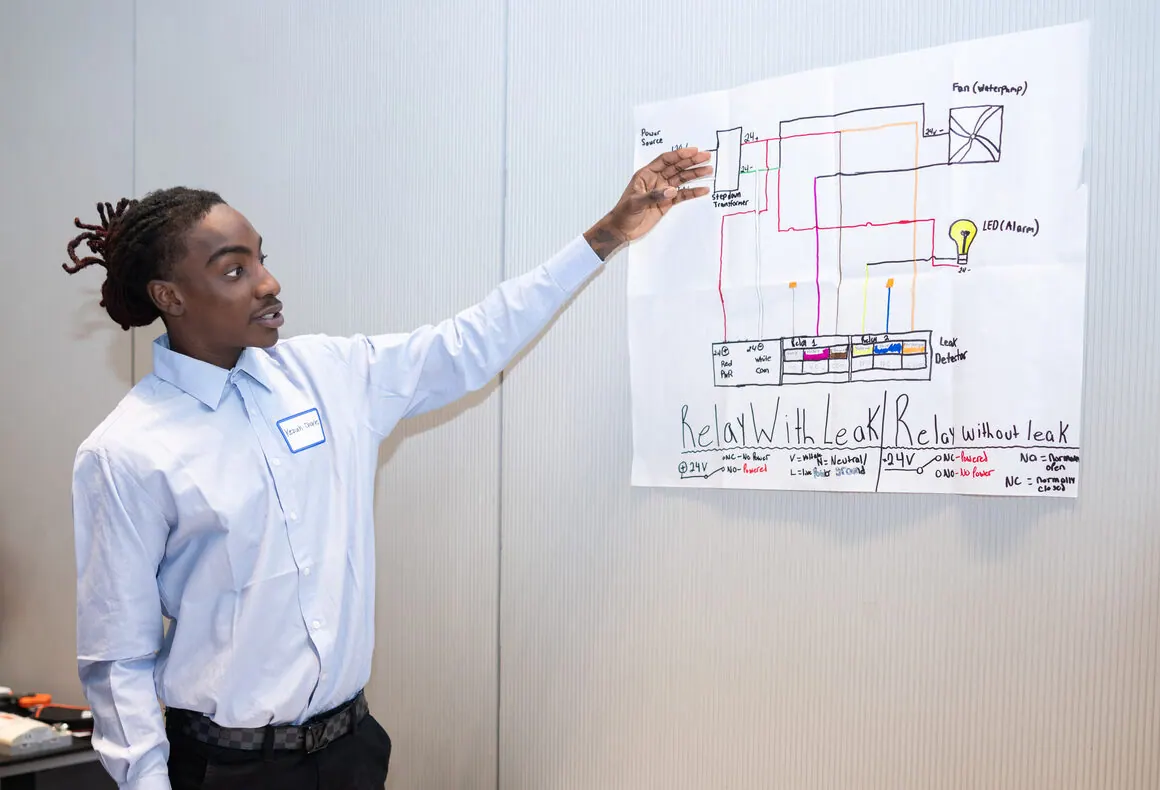
Learning Objectives
Assessments/Projects
- Professional Practice: resume building
- Professional practice: thank you emails to class visitors
- Daily reports
- Niagara Workbench Labs
- Low Voltage Wiring activity
- Wire stripping competition
- Wiresheets in Niagara
- One-on-one assessments using Communication Skills rubric
- Group research project: Durst trip project presentations
- Professional practice: updating LinkedIn profiles
- Wiring diagrams
- Professional Practice: mock interviews
- Networking event project: Group Presentations
Skills
- Resume building
- Professional email writing
- Building wire sheets using Niagara workbench
- Simulating models using Niagara
- Job interview skills
- Wiring
- Wire stripping
- Ability to assess air handling units
- Presentation and public speaking skills
- Networking for success
What You Graduate With
Fourteen weeks in, you leave with two industry certifications and working Niagara N4 proficiency, a portfolio of real projects, and the hands-on hours employers look for.
EPA 608 Certification
The federal credential for handling refrigerants - a baseline requirement across HVAC and controls roles.
LCA Certification
The Lighting Controls Association credential, earned through the Python-driven light-show project.
Niagara N4
Working proficiency in the Niagara Framework, the platform that runs a huge share of commercial buildings.